Water bills are easy to overlook until something leaks. Small habits and cheap fixes reduce both water and the energy used to heat it.
Quick wins
- Leaks are the easiest saving: a dripping faucet or running toilet wastes water all day.
- Efficient showerheads and faucet aerators cut use without changing your routine.
- Shorter showers and full laundry and dishwasher loads save water and the energy to heat it.
- Outdoors, watering early or late in the day reduces evaporation.
Using less water lowers your water bill and, because so much water is heated, often your energy bill too.
Start with leaks
The EPA’s WaterSense program estimates that household leaks can waste nearly 10,000 gallons of water a year in an average home. Common culprits:
- dripping faucets and showerheads
- toilets that keep running after flushing
- leaking outdoor hoses and irrigation
Most fixes, such as replacing a washer or a toilet flapper, are cheap.
Easy upgrades
| Upgrade | What it does |
|---|---|
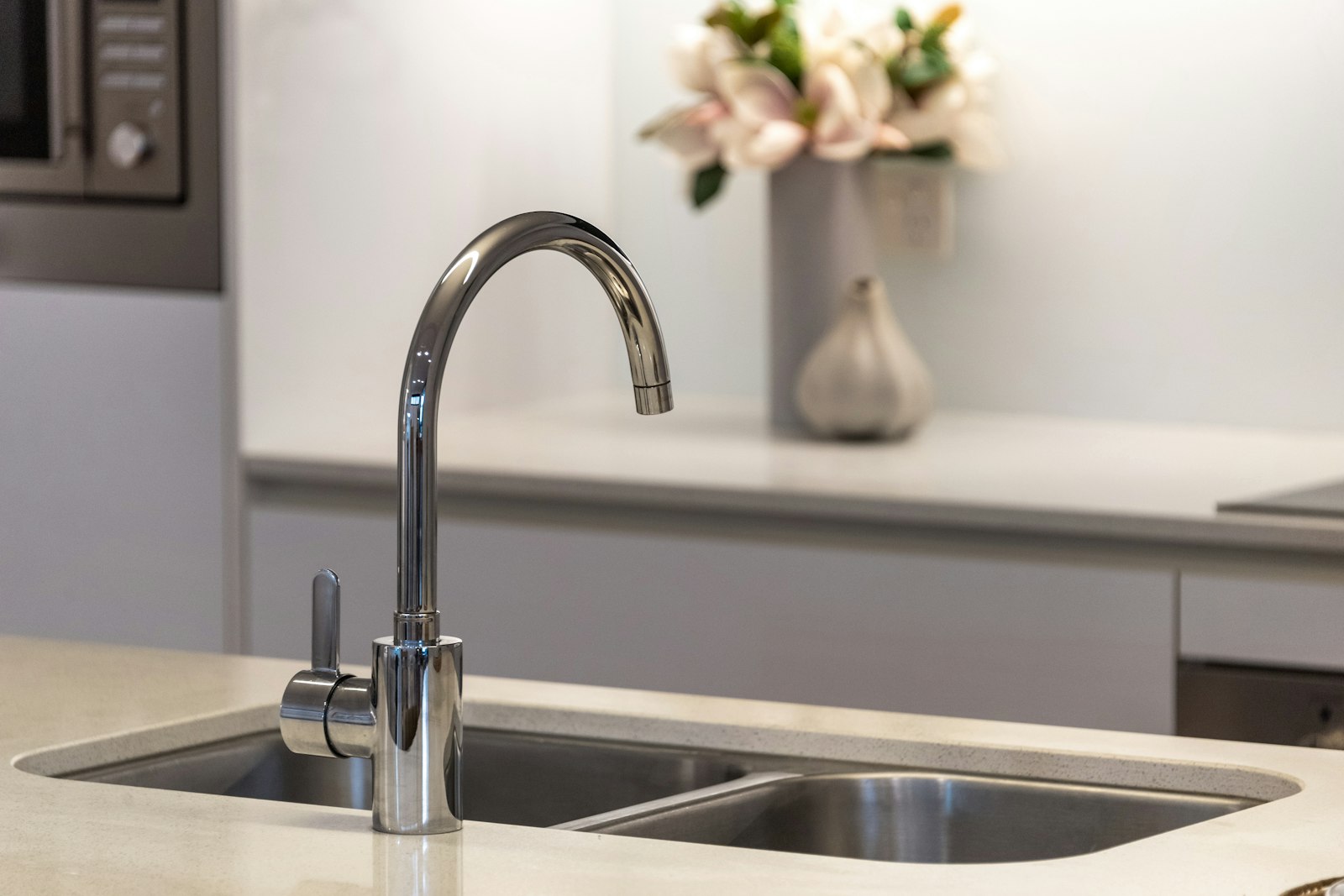
| Faucet aerators | Reduce flow while keeping pressure |
| Efficient showerhead | Uses less water per minute of shower |
| Toilet flapper or fill valve | Stops a running toilet |
| WaterSense-labeled fixtures | Certified to use less water and perform well |
Money saver
Check for a hidden leak with your water meter: note the reading, use no water for two hours, then check again. Any change means water is escaping somewhere.
Everyday habits
- Take shorter showers, and turn off the tap while brushing your teeth.
- Run the dishwasher and washing machine only when full.
- Keep a jug of water in the fridge instead of running the tap until it’s cold.
- Water the yard early in the morning or in the evening, and only when it needs it.
Worth a look
Many water utilities offer free conservation kits, leak checks or rebates for efficient fixtures. Check your utility’s website before buying.
Adding it up
Water savings work alongside energy savings, since hot water is heated with gas or electricity. Pair these habits with our guide to lowering your energy use, and put the difference on your bills toward savings or debt.
You might be wondering
How do I check for a hidden leak?
Read your water meter, avoid using water for a couple of hours, then read it again. If the number changed, something is leaking.
How do I check if my toilet leaks?
Add a few drops of food coloring to the tank and wait 10 to 15 minutes without flushing. Color in the bowl means a leak.
Are low-flow fixtures worth it?
Usually, yes. Look for products with the EPA’s WaterSense label, which are designed to use less water while performing well.
These tips are general information. Prices, plans and programs vary by provider and location, so check the details with your provider before you switch or sign up.