Energy bills depend on how much you use. The cheapest savings come from small changes rather than new equipment.
Quick wins
- Heating and cooling are usually the biggest parts of a home energy bill.
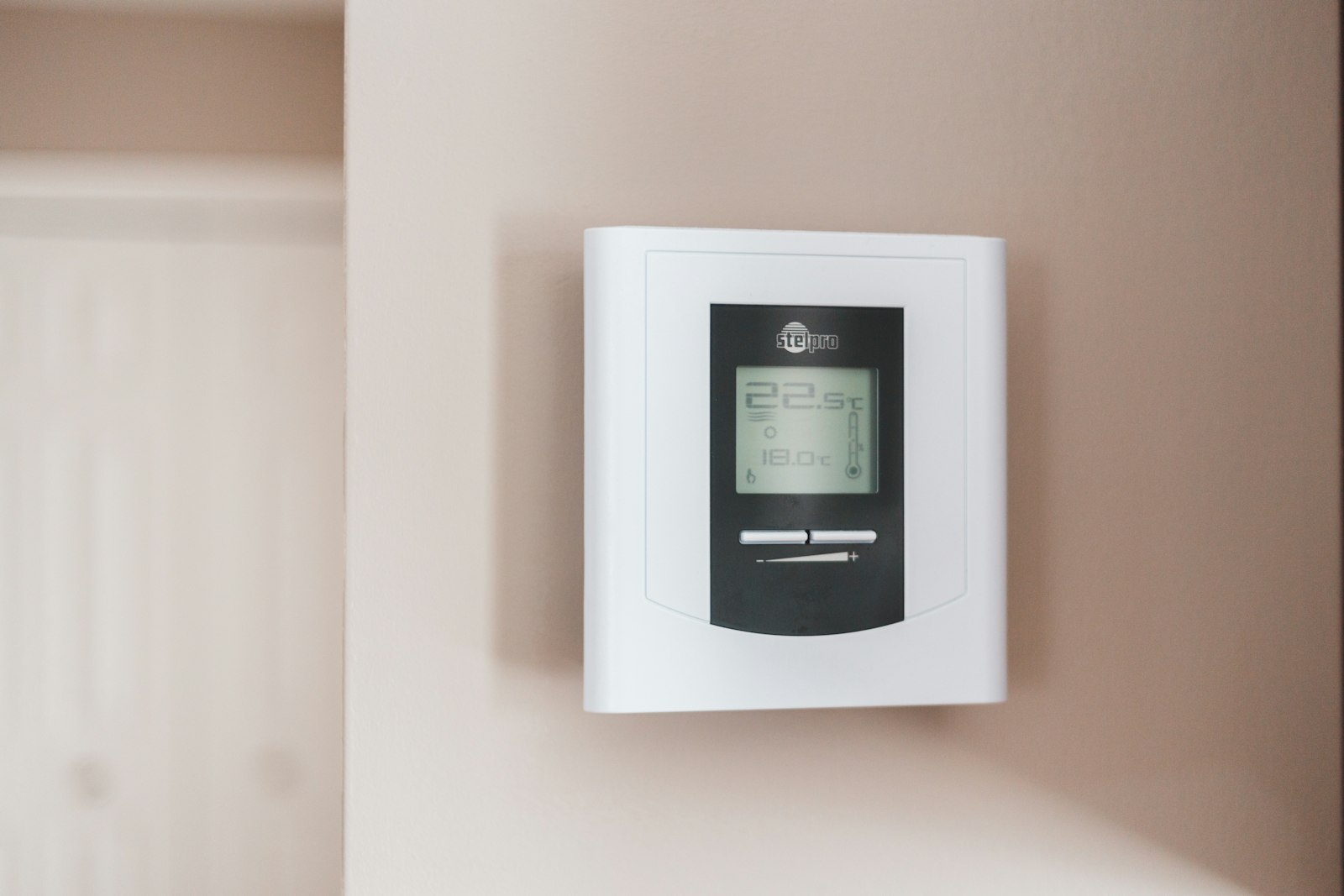
- Turning the thermostat back while you’re asleep or out can cut heating and cooling costs.
- Sealing drafts and switching to LED bulbs are cheap, quick wins.
- Washing clothes in cold water and running full loads saves both energy and water.
Lowering your energy bill doesn’t have to start with solar panels or a new furnace. Most homes have cheaper savings to find first.
Heating and cooling
Heating and cooling are typically the largest share of household energy use.
- Set back the thermostat: the U.S. Department of Energy estimates that turning it back 7 to 10°F for 8 hours a day can save up to 10% a year on heating and cooling.
- Use a programmable or smart thermostat so the setback happens automatically.
- Seal drafts around doors and windows with weatherstripping and caulk.
- Use curtains: close them on winter nights and summer afternoons.
Lighting and appliances
| Change | Why it helps |
|---|---|
| Switch to LED bulbs | They use far less energy and last much longer than incandescent bulbs |
| Wash clothes in cold water | Most of a washer’s energy goes into heating water |
| Run full dishwasher and laundry loads | Fewer cycles for the same work |
| Air-dry when you can | Dryers are among the hungriest appliances |
| Turn off standby power | Smart power strips cut idle draw from electronics |
Money saver
Start with the lights you use most, such as the kitchen and living room. Replacing those bulbs first gives the biggest saving for the smallest cost.
Check your plan and help available
Ask your utility about free home energy checks, rebates for efficient appliances and plans that suit when you use power. If you’re struggling to pay, ask about payment plans and assistance programs before falling behind.
Worth a look
Before buying new appliances to save energy, compare the cost with the savings over their life. Replacing a working appliance doesn’t always pay off.
Building on small changes
Once the easy wins are in place, compare a few months of bills to see what changed. Then look at water use too; our guide to using less water at home covers the next steps, and the subscription audit finds savings elsewhere.
You might be wondering
How much can a thermostat setback save?
The U.S. Department of Energy estimates that turning your thermostat back 7 to 10 degrees Fahrenheit for 8 hours a day can save as much as 10% a year on heating and cooling.
Are LED bulbs worth replacing working bulbs?
For bulbs you use often, usually yes. LEDs use far less electricity than incandescent bulbs and last much longer.
Does unplugging devices really help?
Devices on standby draw small amounts of power that add up. Smart power strips make switching them off easier.
These tips are general information. Prices, plans and programs vary by provider and location, so check the details with your provider before you switch or sign up.